Case Studies
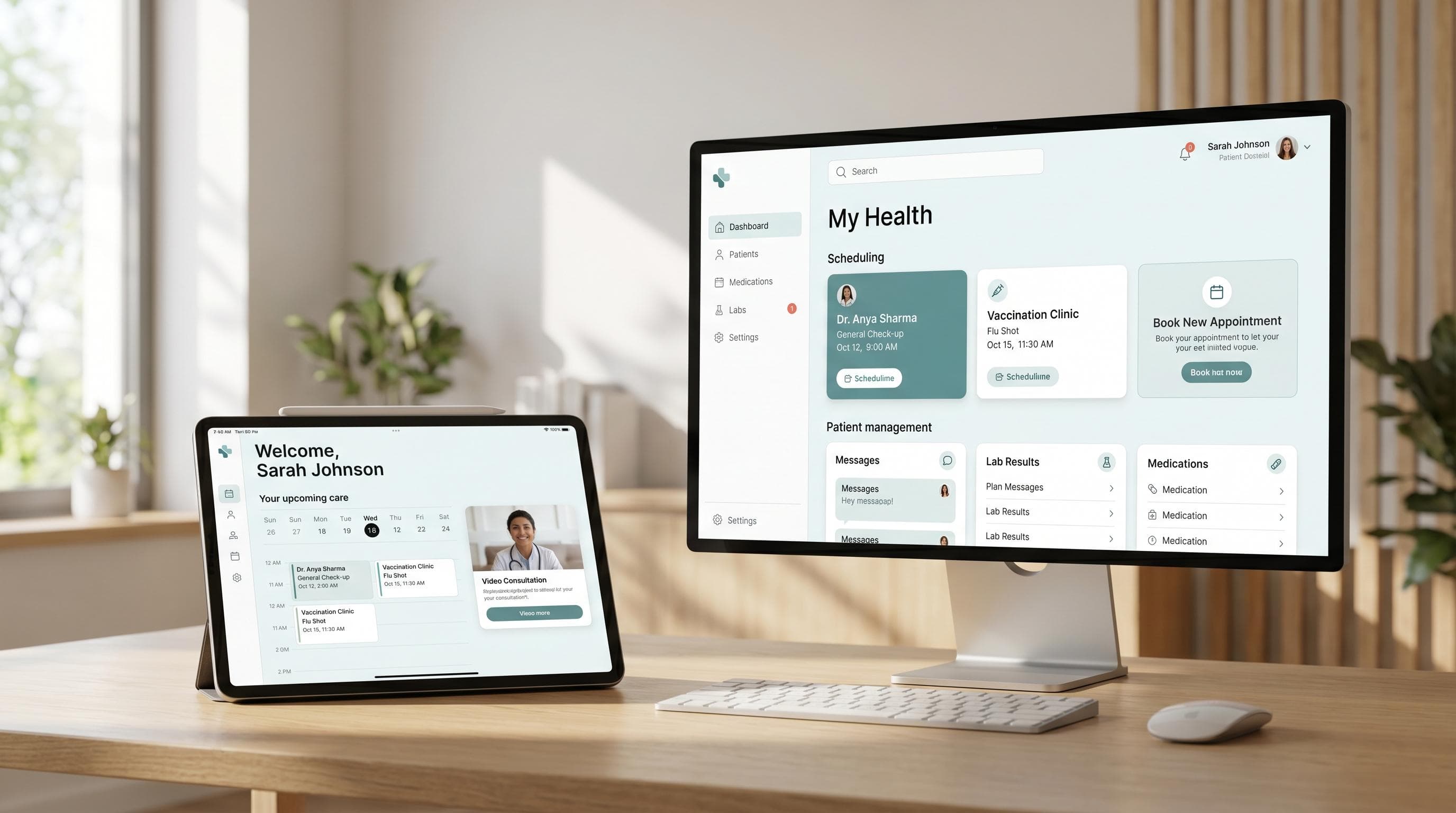
Replacing a Phone Queue With a Portal Patients Actually Use
MediLink Clinics is a group of four private GP practices across Greater Manchester, serving roughly 11,000 registered patients. Before this project, every interaction — appointment booking, prescription requests, test result queries — funneled through a phone line staffed by two receptionists. Wait times routinely hit 25 minutes during peak hours. Patient satisfaction scores were suffering, and the clinical staff were spending nearly 30% of their working hours fielding administrative calls that a digital system could handle in seconds.
MediLink's management team had tried an off-the-shelf patient portal two years prior. It was clunky, inaccessible on mobile, and so confusing that less than 12% of patients ever used it after initial registration. They came to Safi Dot Tech with a clear mandate: build something their patients — ranging from 16 to 80 years old — would actually want to use. Not a portal that technically exists. One that genuinely helps.
Strategic Implementation
& Digital Results
We opened with patient interviews across all four clinics — specifically recruiting users over 55 and those who had previously abandoned the old portal. The research surfaced a clear theme: patients didn't distrust technology; they distrusted interfaces that felt like they were designed to confuse. Every design decision that
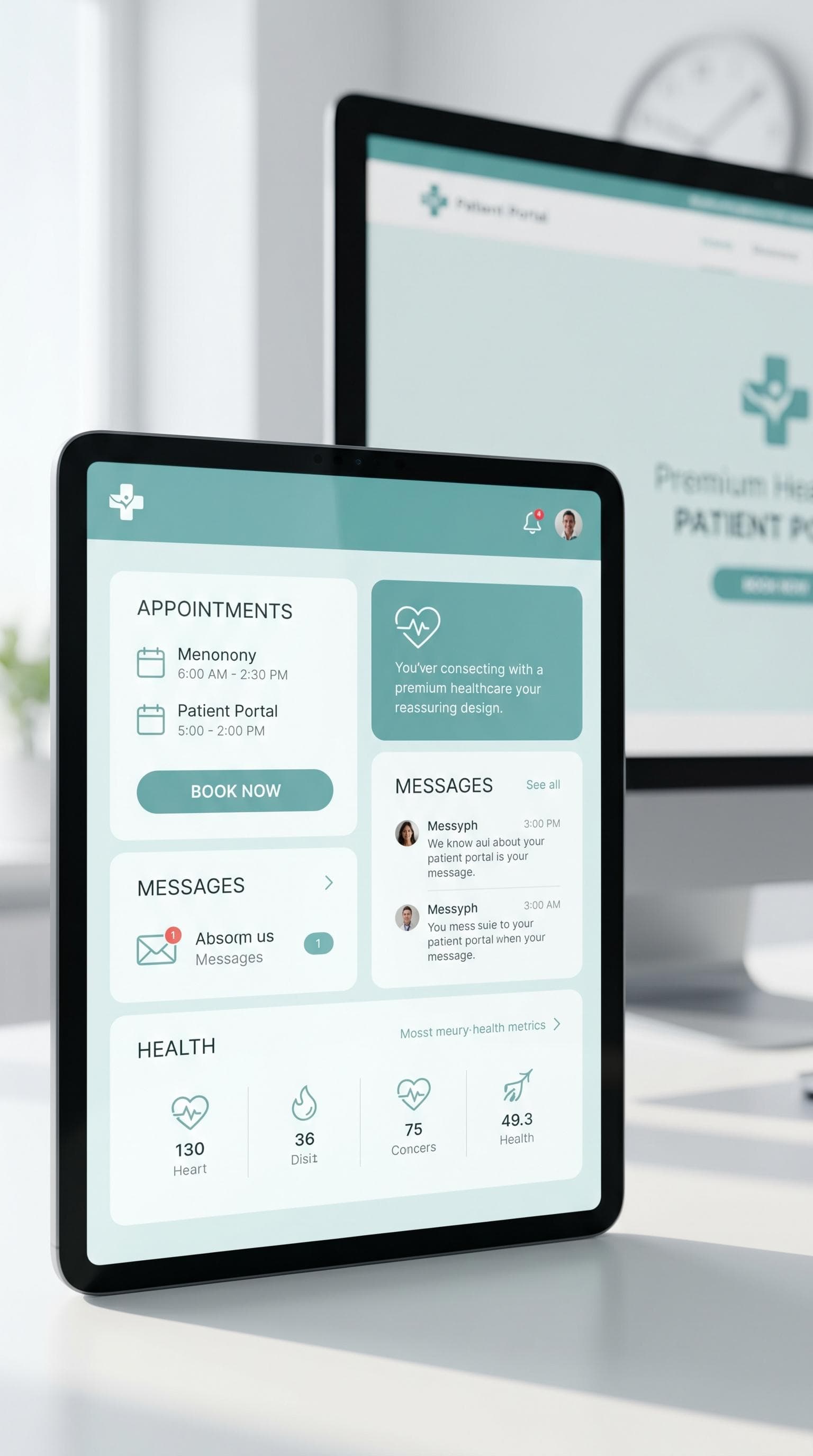
The portal we built has three core functions: appointment booking, repeat prescription requests, and test result viewing. Each follows a stripped-down, step-by-step flow with large touch targets, plain-language copy reviewed by a medical communications consultant, and a progress indicator so users always know where they are. The appointment booking system connects via a custom REST middleware to EMIS, pulling real-time slot availability and writing confirmed bookings back to the practice management system automatically.
On the security side, we implemented end-to-end encryption for all health data in transit and at rest, two-factor authentication via SMS, and role-based access controls for clinical staff. The platform passed an independent NHS-aligned data security audit. Within three months of launch, portal adoption reached 71% of registered patients, phone queue wait times dropped by 64%, and MediLink's patient satisfaction score rose from 3.1 to 4.6 out of 5.
Background
MediLink Clinics is a group of four private GP practices across Greater Manchester, serving roughly 11,000 registered patients. Before this project, every interaction — appointment booking, prescription requests, test result queries — funneled through a phone line staffed by two receptionists. Wait times routinely hit 25 minutes during peak hours. Patient satisfaction scores were suffering, and the clinical staff were spending nearly 30% of their working hours fielding administrative calls that a digital system could handle in seconds.
MediLink's management team had tried an off-the-shelf patient portal two years prior. It was clunky, inaccessible on mobile, and so confusing that less than 12% of patients ever used it after initial registration. They came to Safi Dot Tech with a clear mandate: build something their patients — ranging from 16 to 80 years old — would actually want to use. Not a portal that technically exists. One that genuinely helps.
The Challenges
- Accessibility was non-negotiable — with a patient base spanning a wide age range, including elderly users and those with visual impairments, the interface had to meet WCAG 2.1 AA standards without sacrificing visual quality or usability.
- Secure data handling was critical — the platform needed to handle sensitive health records, appointment data, and repeat prescription requests in full compliance with UK GDPR and NHS data security standards.
- Adoption required radical simplicity — the previous portal failed because it was designed for administrators, not patients. Every flow needed to be completable in under 60 seconds with no prior training.
- Integration with existing systems — MediLink used a legacy EMIS practice management system that required a custom middleware layer to sync appointment slots, patient records, and prescription history in real time.
The Solution
We opened with patient interviews across all four clinics — specifically recruiting users over 55 and those who had previously abandoned the old portal. The research surfaced a clear theme: patients didn't distrust technology; they distrusted interfaces that felt like they were designed to confuse. Every design decision that
The portal we built has three core functions: appointment booking, repeat prescription requests, and test result viewing. Each follows a stripped-down, step-by-step flow with large touch targets, plain-language copy reviewed by a medical communications consultant, and a progress indicator so users always know where they are. The appointment booking system connects via a custom REST middleware to EMIS, pulling real-time slot availability and writing confirmed bookings back to the practice management system automatically.
On the security side, we implemented end-to-end encryption for all health data in transit and at rest, two-factor authentication via SMS, and role-based access controls for clinical staff. The platform passed an independent NHS-aligned data security audit. Within three months of launch, portal adoption reached 71% of registered patients, phone queue wait times dropped by 64%, and MediLink's patient satisfaction score rose from 3.1 to 4.6 out of 5.
The Competitive
Edge Delivered.
Like What You See?
Every project starts with a conversation. Let's discuss how we can bring this level of strategic digital expertise to your next business challenge.
Let's Talk